Earn More. Keep More. Take Control of Your Trucking Business.
What You’re Seeing Here Is 100% Real
This page shows you actual weekly numbers, real loads currently booked at PDP, and the equipment available right now.
We believe in full transparency — no inflated averages, no unrealistic promises.
You’ll also see our 9 Core Training Sections, where we teach you how to understand the market, make smarter decisions, and maximize your revenue as an owner-operator.
How Fast does PDP Pay?
- Deliver the load with clean BOLs.
- Email All Docs electronically before 12 PM daily.
- Same-day payout (M-F) via RPT instant pay or ACH.
HDI Negotiate and Maximize Spot Market Profit?
How Much Can You Make at PDP?
Top-performing owner-operators at PDP are consistently:
- Grossing: $6,000 – $10,000+ per week
- Take Home Pay - NET Pay: $6,000 – $10,000+ per week
- Driving: 2,500 – 3,500+ miles/week
- Choosing their own loads and lanes
Your results depend on your decisions — and that’s exactly why we provide AI analytics, training and tools to help you maximize your revenue.
Fleet Best Last Week
| Trailer Type | Loads Sum | Miles | RPM | Fuel Amount | Stops Count | PPG/FGR | Net Pay (%) |
|---|
Fleet Best 2 Weeks Ago
| Trailer Type | Loads Sum | Miles | RPM | Fuel Amount | Stops Count | PPG/FGR | Net Pay (%) |
|---|
Real PDP Top Van Loads
These are real recent fleet loads updated automatically daily.
| Trailer Type | From -> To Lane | Load Gross Paid | Miles | RPM |
|---|
We Teach You HOW to Make Money
9 Core Training Sections
At PDP Trucking, we don’t just bring you in and leave you to figure it out.
Our goal is simple — Give you all resources and data analytics with AI to help you understand the market, make better decisions, and maximize your income as an owner-operator.
The trucking industry is constantly changing. Rates move, lanes shift, and opportunities come and go. The Owner Operators who succeed long-term are the ones who understand how the market works — not just how to drive.
That’s exactly why we created these 9 Core Training Sections.
We’re not interested in just having trucks on the road.
We want you to succeed, grow, and make real money here.
Because when you succeed — PDP succeeds.
Built by an Owner Operator — For Owner Operators
We’ve been in your position.
From driving… to dispatching… to running fleets — we understand what actually works in this industry.
Everything we built at PDP is designed to help you:
- Stay independent
- Stay profitable
- Stay in control
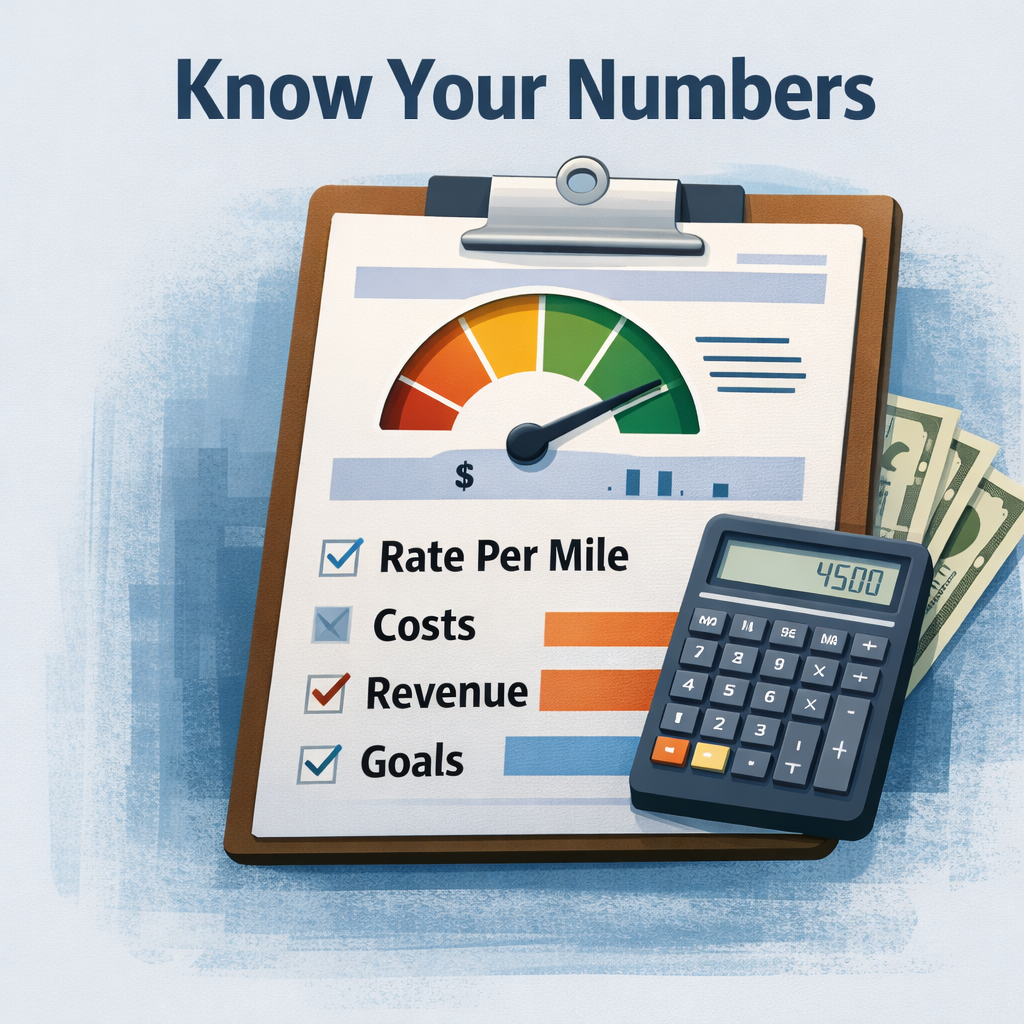
1) Know Your Numbers
Your market is paying a wide spread. In the current filtered top-load sample, RPM ranges from — with an average RPM of —, so running blind leaves money on the table.
- Set 3 levels: floor RPM, target RPM, and stretch RPM.
- Track all-miles RPM (loaded + deadhead), not loaded RPM only.
- Set weekly net target before first Monday booking call.
- Keep rolling 14-day lane average for your top 5 lanes.
“No floor number = every broker call starts with you losing.”
2) Stand Your Ground
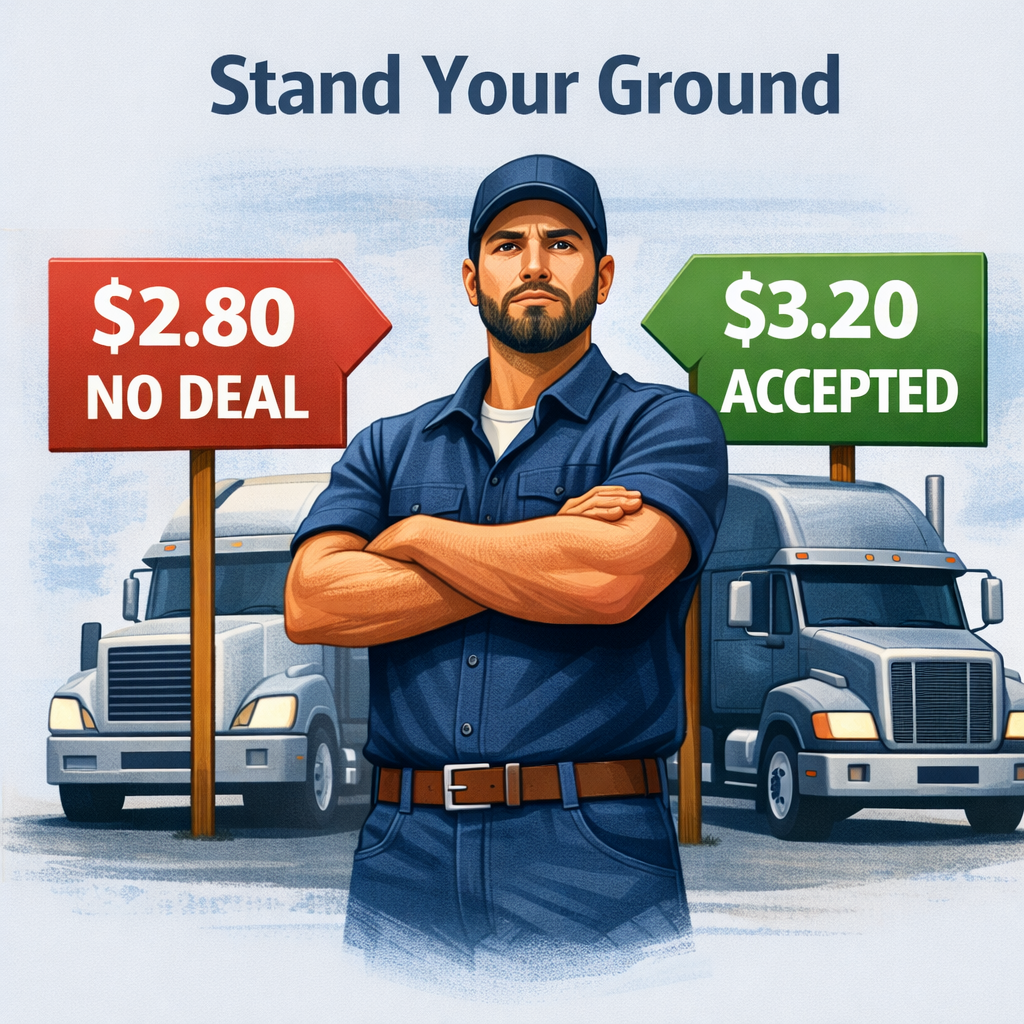
Top loads prove the market can pay premium rates when timing and lane fit are right.
- Quote your number first, then pause.
- Never negotiate from “truck is empty” pressure language.
- If broker pushes low, restate number once and stop talking.
- Use same professional tone on every call.
“Confidence is not attitude. It is prepared pricing.”
3) Research Profitable Lanes
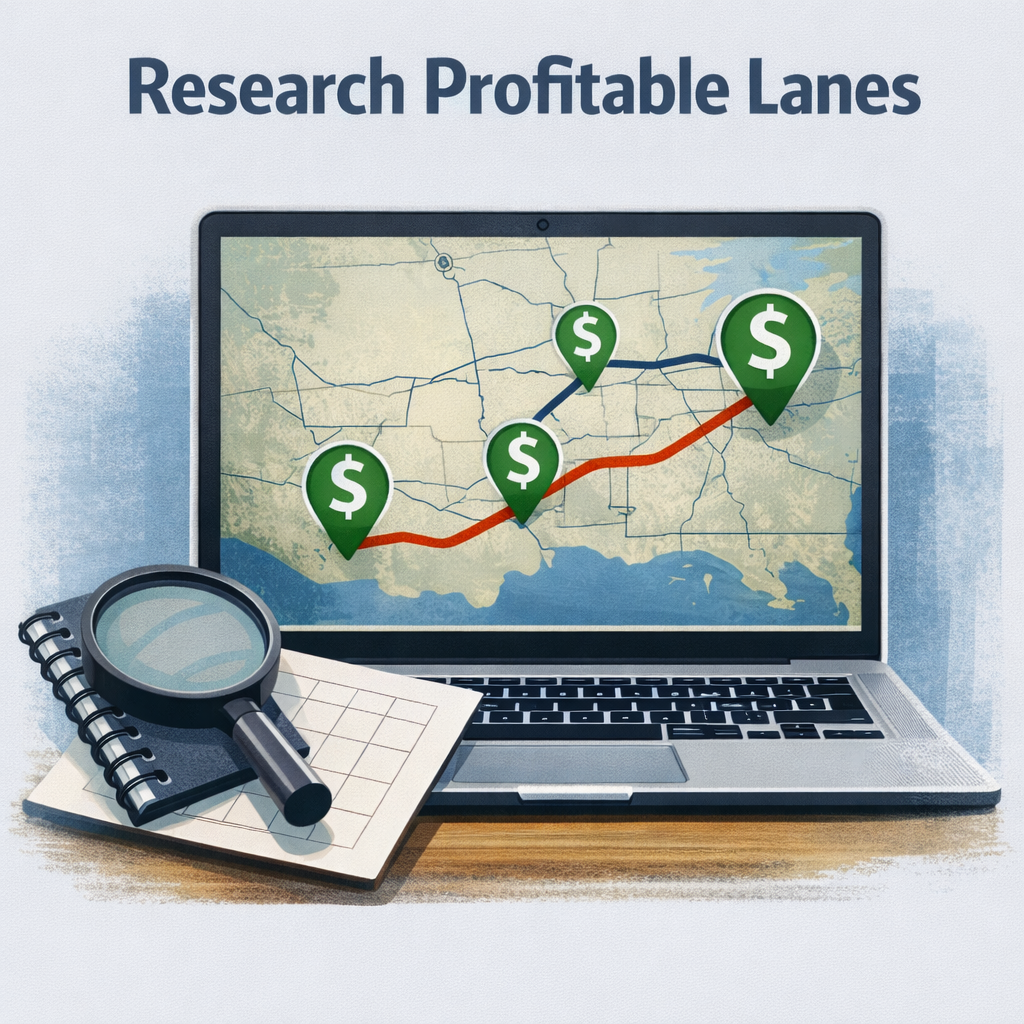
Repeated lane wins in the sample (e.g., Columbus, OH → Blacksburg, VA appears multiple times near $5.08 RPM) show that consistency beats random hunting.
- Identify repeat lanes that hold high RPM and predictable reloads.
- Tag each lane by broker reliability + payment behavior.
- Plan load N+1 before accepting load N.
- Avoid “orphan” destinations without reload density.
“A profitable week is a lane sequence, not a single good load.”
4) Review & Adjust Regularly
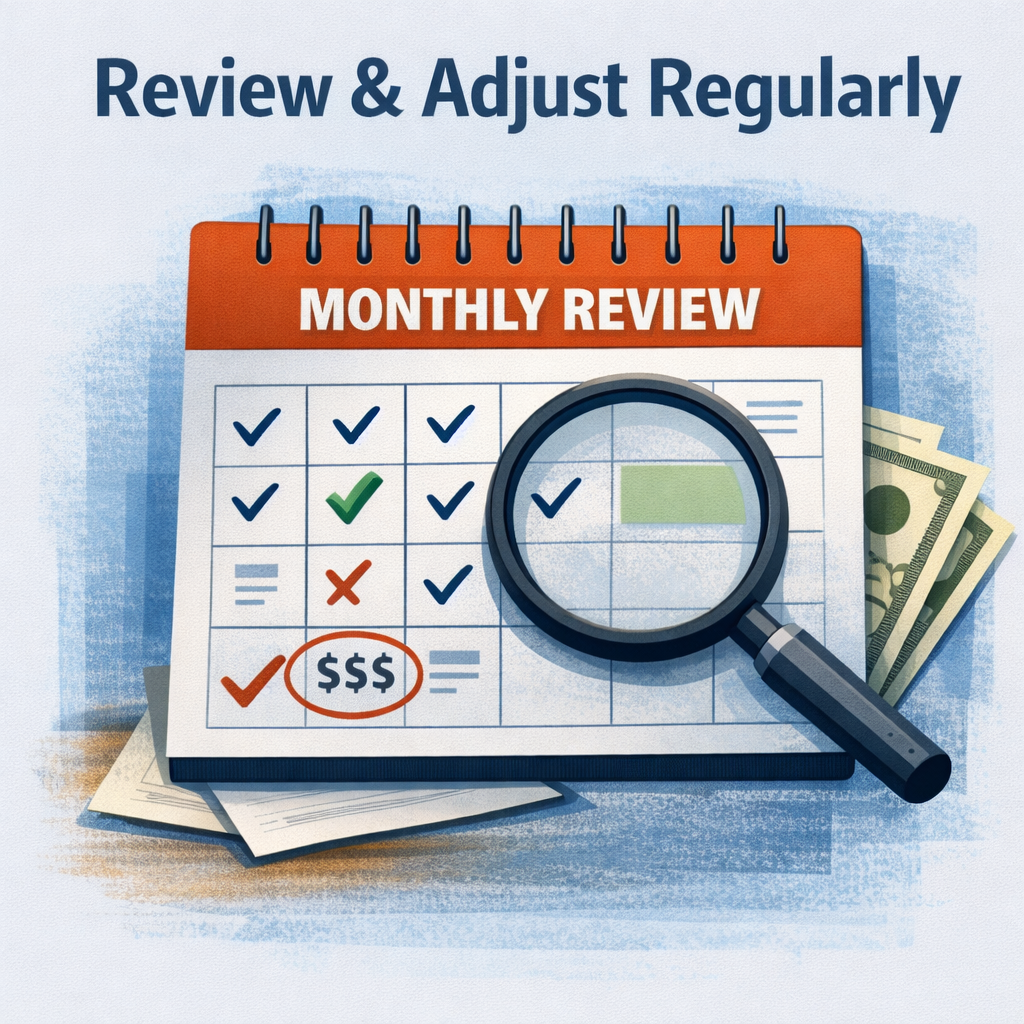
Use weekly and monthly review to remove underperforming behaviors fast.
- Weekly: compare quoted RPM vs booked RPM.
- Monthly: rank top 10 brokers by margin and friction.
- Kill low-yield call patterns and unproductive boards/times.
- Track where you gave up rate too quickly.
“What gets reviewed gets improved. What gets ignored repeats.”
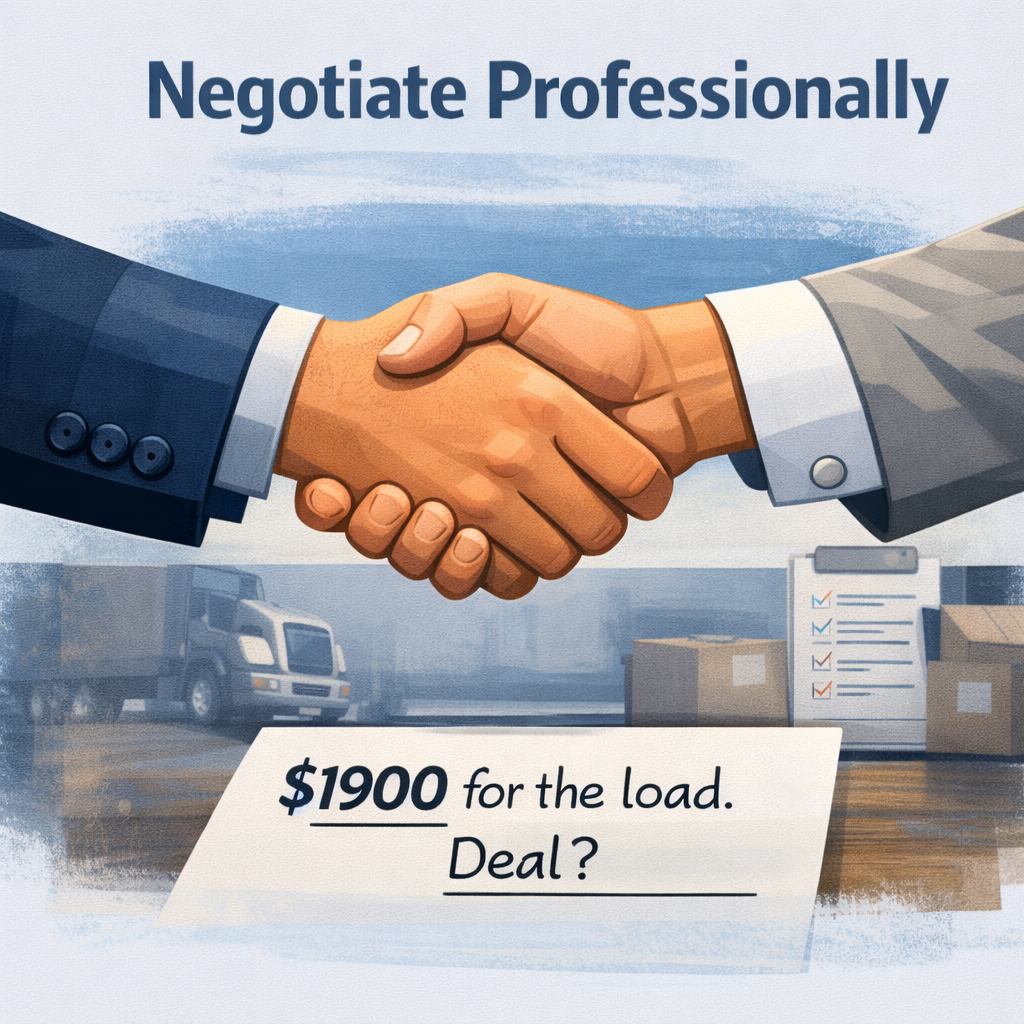
5) Negotiate Professionally
Keep language clean, short, and non-emotional.
- State number with certainty.
- Do not over-explain cost structure.
- Confirm core terms (appointments, detention, layover, TONU).
- Close with direct next step.
“Short, clear, professional language protects margin.”
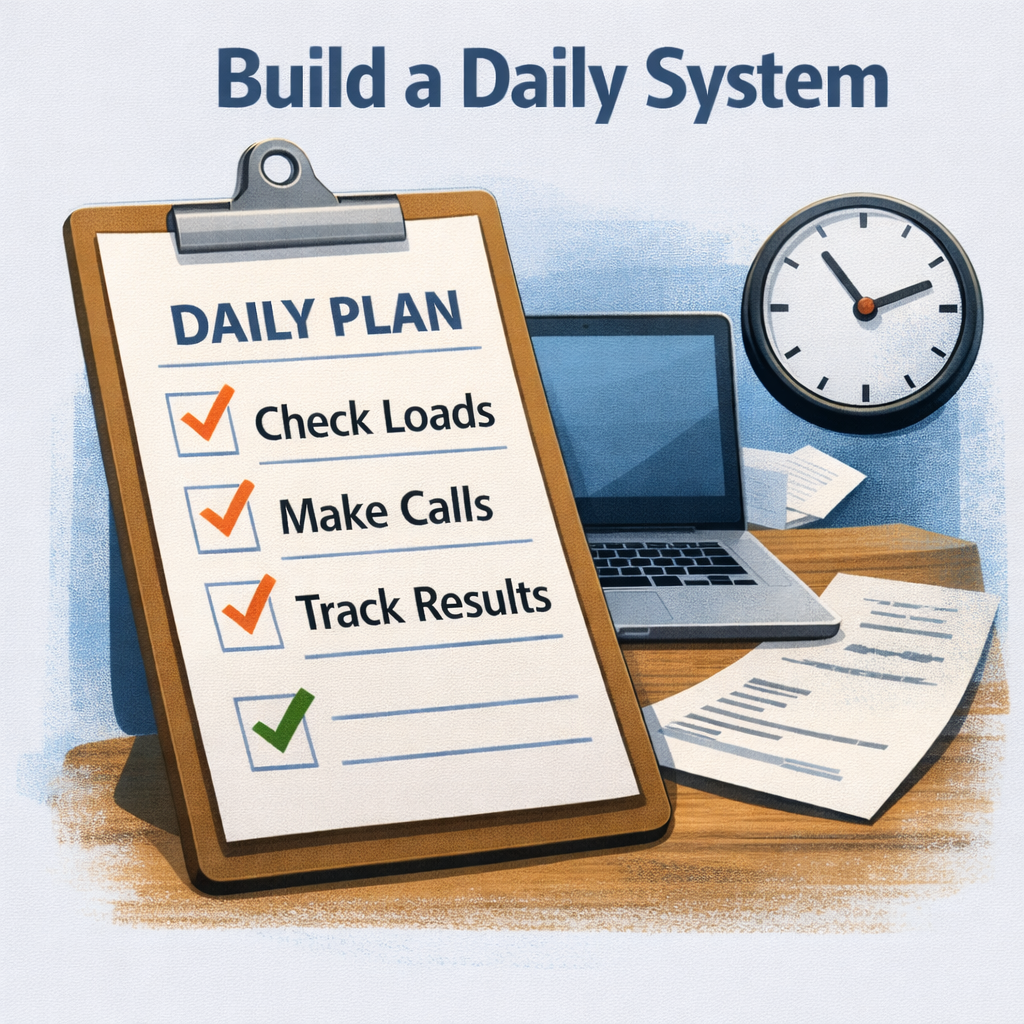
6) Build a System
Your daily checklist should run the same regardless of mood or market noise.
- Morning lane scan + shortlist.
- Strategic calling windows.
- Track quote outcomes in real time.
- Book only if load matches criteria.
“System first. Emotions second.”
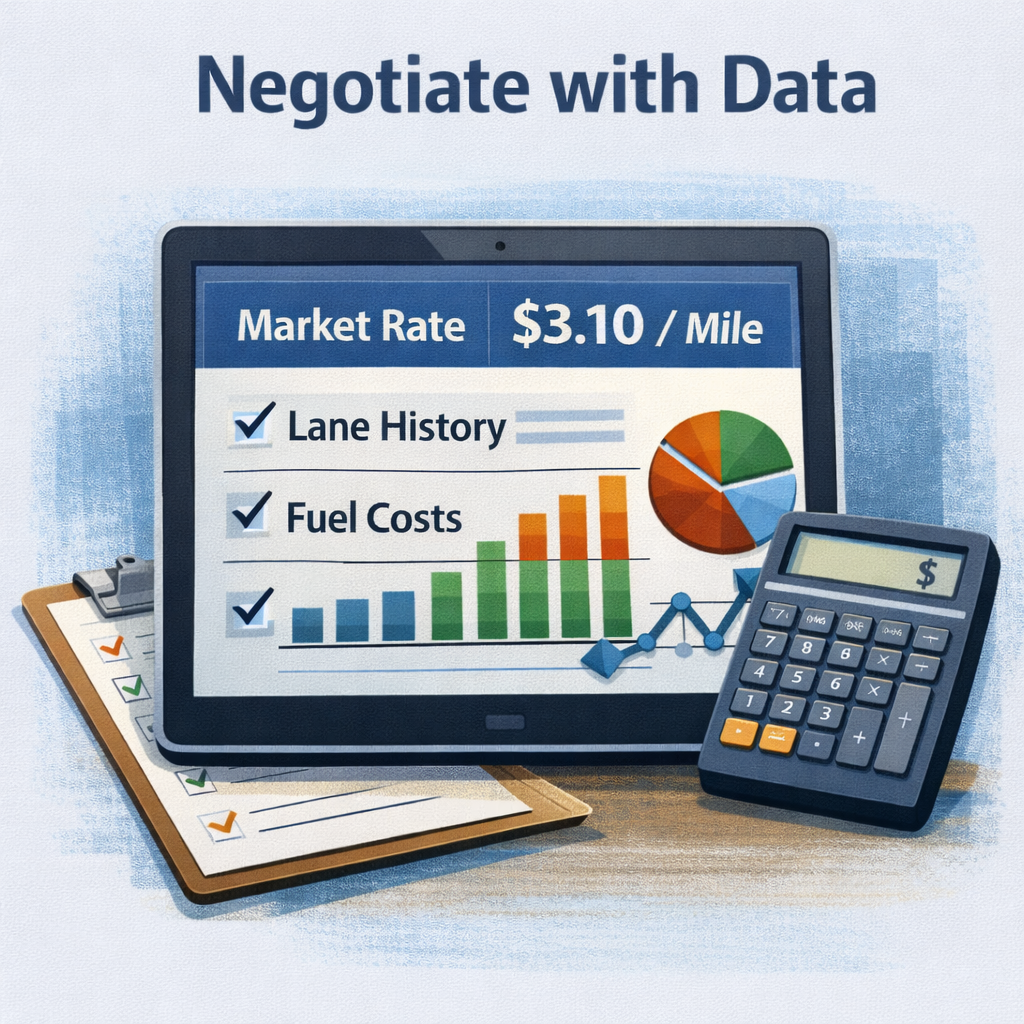
7) Negotiate with Data
Use dashboard and top-load feed to quote from facts, not feelings.
- Reference recent lane closes from PDP top-load feed.
- Use weekly report to identify when you underpriced.
- Use loads report for broker/lane history before calling.
- Quote with evidence, then hold.
“Data makes your counter credible.”
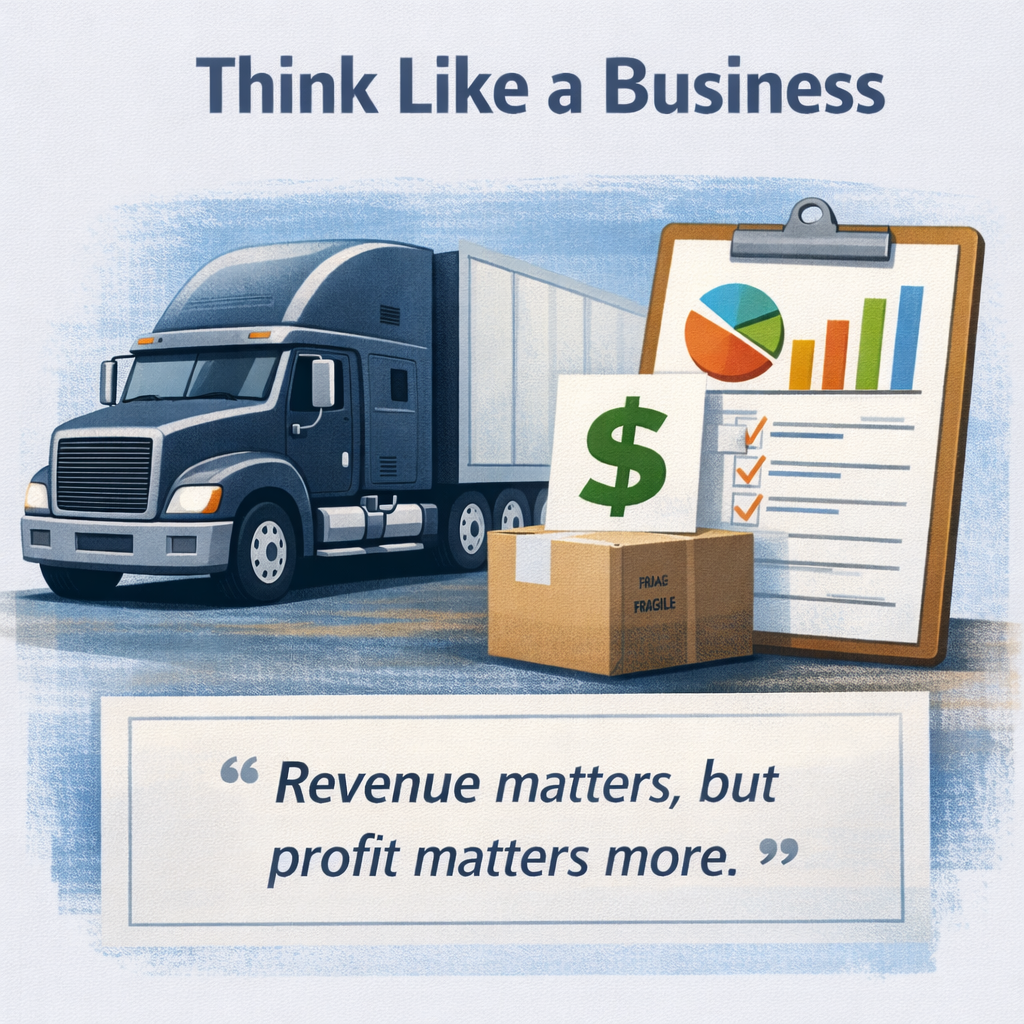
8) Think Like a Business
High revenue means nothing if deadhead, downtime, and poor payment practices erase margin.
- Score offers by weekly net, not just gross.
- Use P&L report and account balances to protect cash flow.
- Prefer reliable brokers over high-friction “big rate” calls.
- Reserve cash during strong weeks.
“Revenue is vanity. Net after discipline is reality.”
9) Consistency Wins
The same disciplined process over 12+ weeks beats occasional “great” days.
- Keep negotiating standards fixed.
- Use weekly review and monthly lane pruning.
- Do not chase every market spike.
- Protect routine KPI tracking.
“Systems > luck. Repeatability > hero mode.”

What PDP Dashboard Already Gives You (Per Truck)
PDP gives Owner Operators deep transparency so each truck can be managed as a real business unit. We also pay with RPT (instant pay) or ACH after each delivered load the same day, so cashflow visibility stays practical, not theoretical.
| Each Dashboard Has | How it helps each truck run smarter |
|---|---|
| Virtual Primary/Collateral/Maintenance Accounts | Shows cash position and account discipline as you manage your business. |
| Accounts detailed Transactions | Each truck/business account can be reviewed directly in details online. |
| Most Valuable Operator Award | Gives full visibility how you are doing in comparison to the whole fleet. |
| Trending capacity + market index widgets | Helps evaluate timing pressure and market conditions. |
| BTO stats + weekly report + loads report | Full transparency and multiple reports for you to gauge to be more successful operation. |
| Truck Contract, Trailer Contract, Insurance Terms | Tracks recurring contract terms and weekly payments for every unit. |
| IFTA report, BTO card report, customer concentration report, funding report | Improves compliance control, broker concentration risk, and financing awareness. |
| Budget goal + P&L report | Connects weekly actions to net outcomes and keeps support one click away. |
Equipment Available Right Now
| Type | Unit # | Year | Make | Model | Ad Option |
|---|
Transparent numbers.
Real systems.
Same-day pay after each delivered load.
Built for Real Owner Operators.
Ready to Take Control of Your Trucking Business?
If you’re serious about making more and running smarter — PDP is built for you.
 APPLY NOW